X
RSS

Blog

How Technology is Changing Jewelry Design and Manufacturing

The jewelry industry, once defined solely by handcrafting and traditional tools, is now experiencing a powerful transformation. Technology has reshaped how jewelry is imagined, designed, produced, and delivered. From digital modeling to automated production systems, innovation is enhancing precision, efficiency, and creativity like never before.

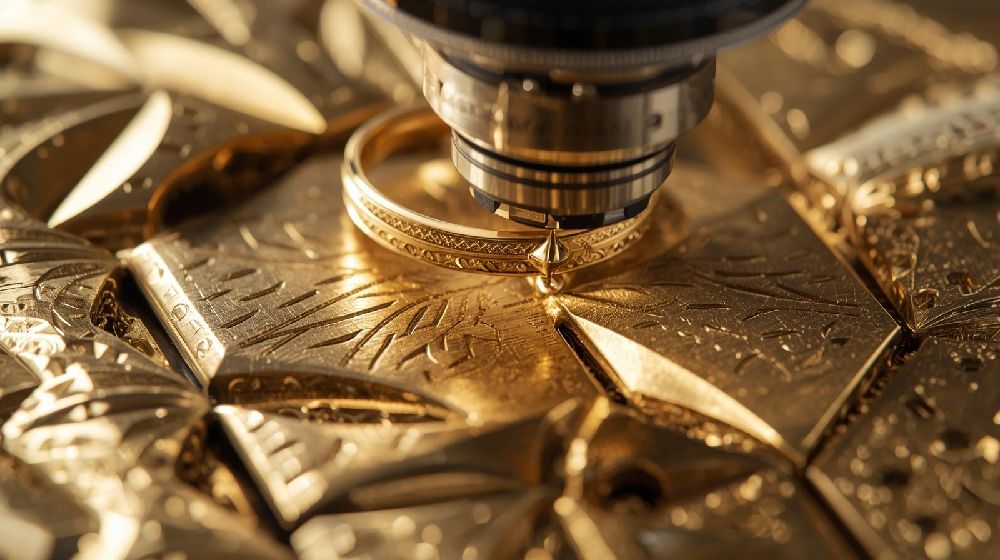
“Technology in Gold: How CNC and Laser Techniques Transform Jewelry Design”

Gold has symbolized beauty, wealth, and tradition for centuries. Yet behind today’s most refined and intricate gold jewelry lies something far more modern—advanced technology. The integration of CNC machining and laser techniques has revolutionized how gold jewelry is designed, engineered, and manufactured.

How Trust, Transparency, and Craft Drive Jewelry Purchases

Buying jewelry is an emotional decision as much as it is a financial one. Whether it’s a wedding band, an everyday gold chain, or a statement piece, customers invest not only money but also meaning. In today’s informed and conscious marketplace, three factors strongly influence jewelry purchasing decisions: trust, transparency, and craftsmanship.

How Technology is Changing Jewelry Design and Manufacturing

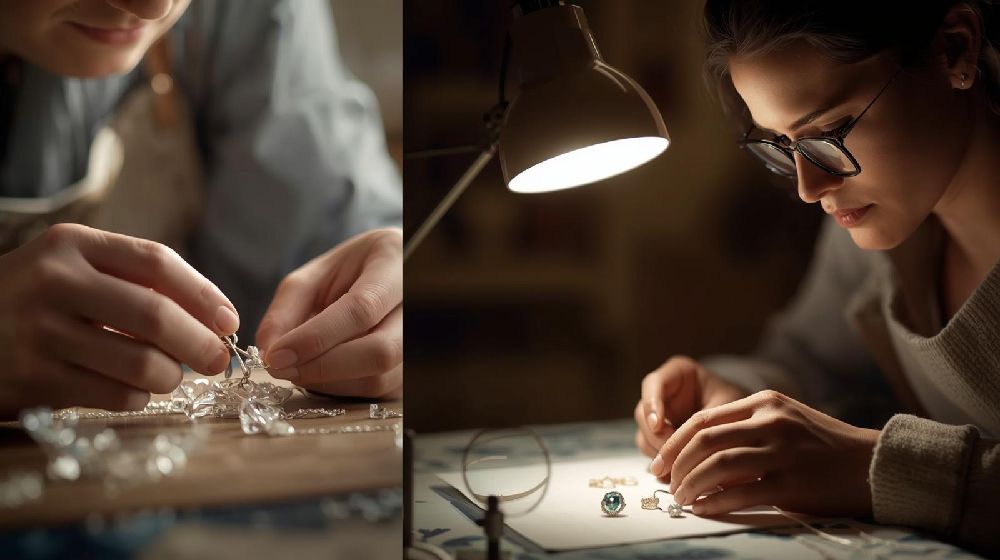
Jewelry has always been a fusion of art and craftsmanship. Traditionally, skilled artisans shaped metals, set stones, and polished surfaces by hand, combining creativity with painstaking precision. Today, technology is transforming the jewelry industry, creating new possibilities in design, production, and quality control—without compromising the artistry that defines fine jewelry.

How Jewelry Preferences Are Changing with Urban Lifestyles

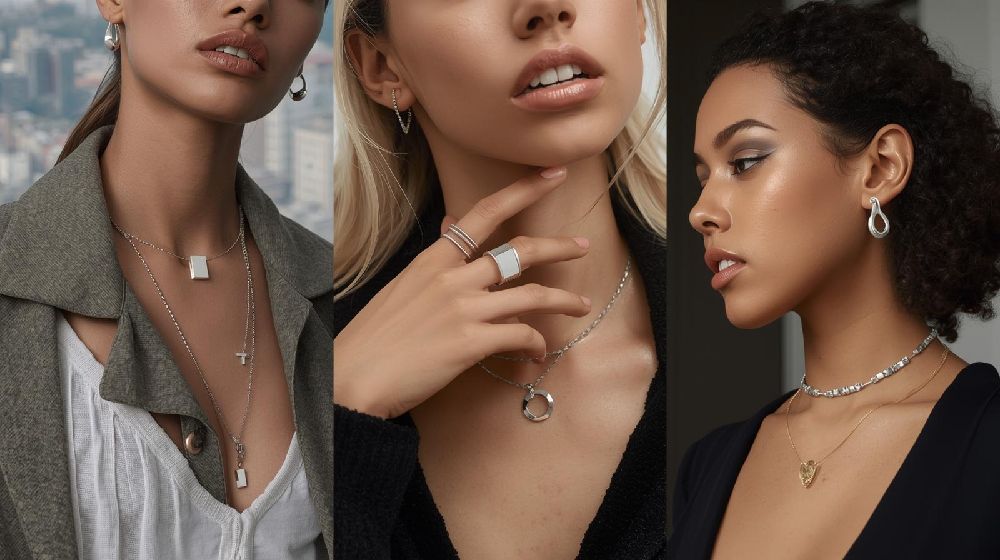
Urban lifestyles are reshaping how people dress, work, and express themselves—and jewelry is no exception. As cities become faster, smarter, and more diverse, jewelry preferences are shifting toward designs that reflect practicality, individuality, and modern values. Today’s urban jewelry is not just ornamental; it’s functional, expressive, and deeply personal.

Sustainable Jewelry: Eco-Friendly Materials and Practices

The jewelry industry has always symbolized luxury and beauty—but today, it’s embracing sustainability as a key part of its promise. Eco-conscious consumers are increasingly seeking jewelry that not only dazzles but also reflects responsible sourcing, ethical craftsmanship, and environmental stewardship. Sustainable jewelry is transforming the way we think about adornment, proving that luxury and sustainability can coexist.

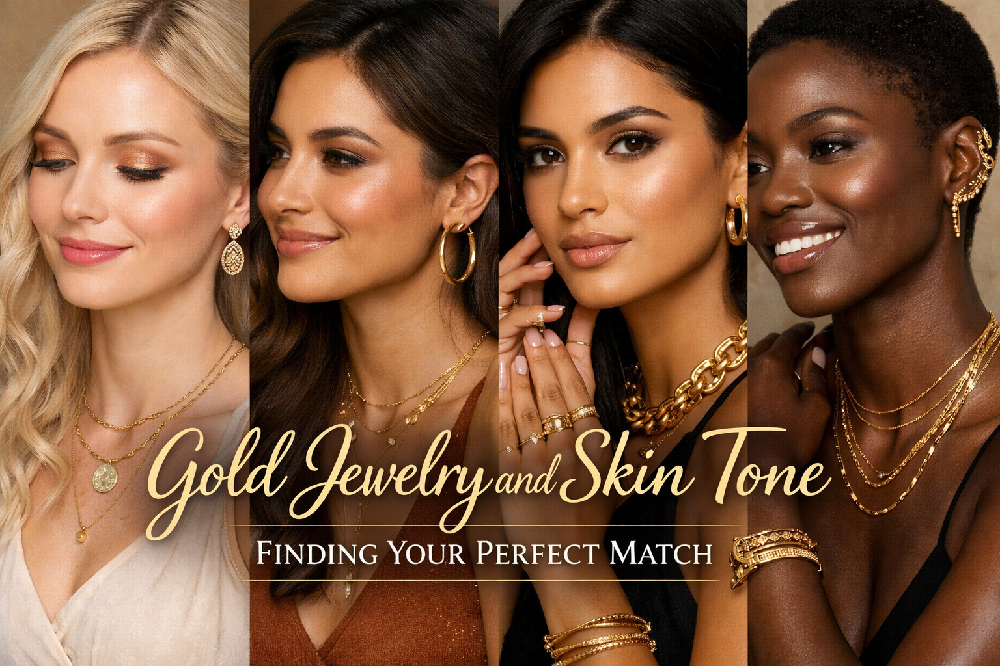
“Gold Jewelry and Skin Tone: Finding Your Perfect Match”

Choosing gold jewelry isn’t just about design or price—it’s also about how it complements your skin tone. The right gold can enhance your natural glow, elevate your outfit, and reflect your personal style. Understanding which gold shades suit your skin tone ensures you always look radiant, whether at work, casual outings, or special occasions.

Why Precision Matters More Than Purity in Today’s Jewelry

For decades, jewelry value has been closely associated with purity—higher karats, finer metals, and material weight. While purity remains important, today’s consumers are discovering that precision often matters more than purity when it comes to comfort, durability, design, and everyday wearability. Modern jewelry demands more than just high metal content—it requires intelligent engineering and flawless execution.

How Material Balance Impacts Comfort in Jewelry.

When choosing jewelry, appearance often takes center stage—but comfort is just as important. A beautifully designed piece that feels heavy, rigid, or irritating quickly becomes unwearable. This is where material balance plays a critical role. The thoughtful selection and proportion of metals directly impact how jewelry feels, moves, and performs during everyday wear.

How Technology is Changing Jewelry Design and Manufacturing

The jewelry industry is undergoing a powerful transformation. What was once driven entirely by handcraft and tradition is now being reshaped by advanced technology, precision engineering, and data-driven processes. Today, technology is not replacing craftsmanship—it is enhancing it, opening new possibilities in design, quality, and efficiency.

Digital Design and CAD Innovation

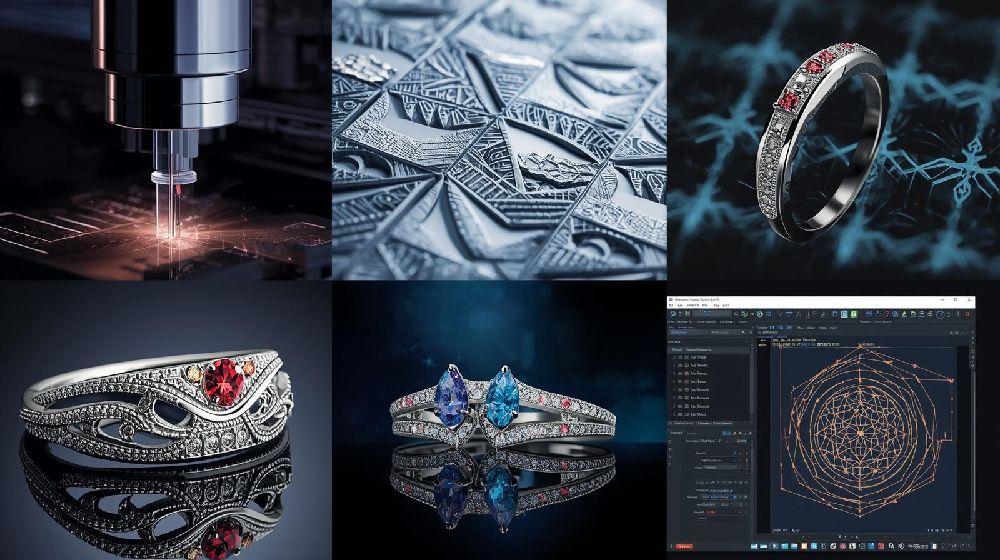
Computer-Aided Design (CAD) has revolutionized how jewelry is imagined and created. Designers can now visualize complex patterns, experiment with proportions, and perfect details before production begins. CAD allows for precision, consistency, and creativity, reducing errors and enabling intricate designs that were once difficult to achieve manually.

CNC Machining for Precision

CNC (Computer Numerical Control) machines bring unmatched accuracy to jewelry manufacturing. They ensure perfect symmetry, clean edges, and consistent quality across every piece. CNC technology allows brands to produce finely detailed jewelry while maintaining durability—especially important for daily wear designs.

Laser Technology in Jewelry Making

Laser welding and engraving have changed how jewelry is assembled and detailed. Lasers enable seamless joins, strong bonds, and micro-level detailing without affecting surrounding areas. This results in stronger construction, refined finishes, and the ability to create delicate yet durable designs.

3D Printing and Prototyping

3D printing has significantly reduced development time. Jewelers can create prototypes quickly, test fit and design, and refine pieces before final production. This accelerates innovation while ensuring accuracy and minimizing material waste.

Data-Driven Manufacturing

Modern jewelry manufacturing relies on data to optimize processes, reduce waste, and ensure consistent quality. From alloy composition to production efficiency, data-driven decisions help brands use materials responsibly while delivering reliable craftsmanship.

Personalization at Scale

Technology enables personalization without sacrificing efficiency. Custom engravings, size adjustments, and design variations can be executed precisely, allowing brands to meet growing demand for personalized jewelry while maintaining high standards.

The Future of Jewelry Craftsmanship

Technology is shaping a future where artistry and engineering work hand in hand. Skilled artisans, supported by advanced tools, continue to define jewelry making—preserving tradition while embracing innovation.

Final Thoughts

Technology is redefining jewelry design and manufacturing by improving precision, creativity, and sustainability. When innovation supports craftsmanship, the result is jewelry that is beautiful, durable, and thoughtfully made.

For today’s customers, this means wearing pieces that reflect the perfect balance of tradition, technology, and timeless style.