

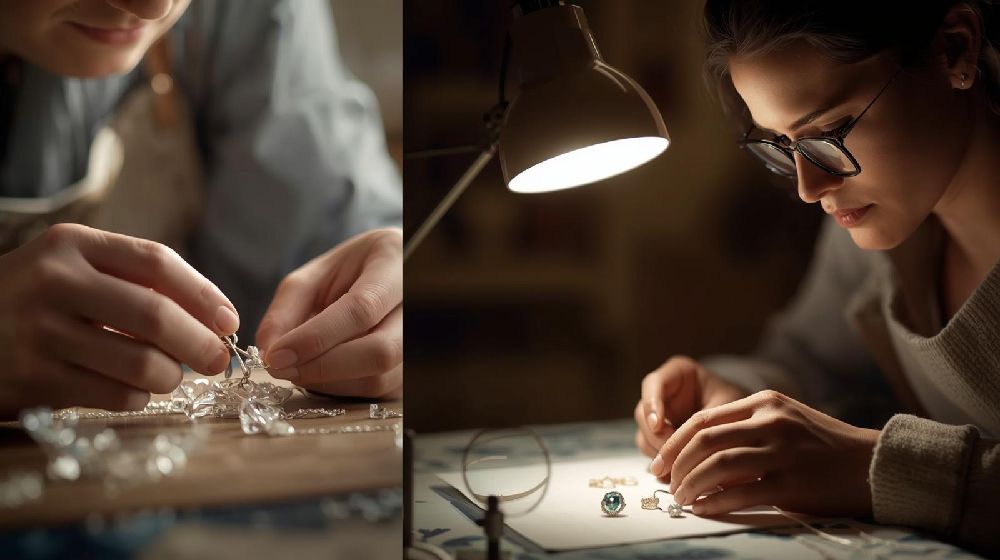
Buying jewelry is an emotional decision as much as it is a financial one. Whether it’s a wedding band, an everyday gold chain, or a statement piece, customers invest not only money but also meaning. In today’s informed and conscious marketplace, three factors strongly influence jewelry purchasing decisions: trust, transparency, and craftsmanship.
Together, these pillars define credibility, build long-term relationships, and shape brand loyalty.
Trust: The Foundation of Every Jewelry Purchase
Jewelry often represents milestones, heritage, and value—making trust non-negotiable. Customers need confidence that what they are buying is genuine, fairly priced, and responsibly sourced.
Trust is built through:
Hallmarked purity and certifications
Consistent product quality
Reliable after-sales support
Strong brand reputation
When trust is established, customers return—not just to buy, but to recommend.
Transparency: Empowering the Modern Buyer
Today’s jewelry buyers are informed, curious, and digitally savvy. They expect clear information about what they are purchasing and how it is made.
Transparency includes:
Metal purity and weight disclosure
Pricing clarity and making charges
Ethical sourcing of materials
Manufacturing and quality standards
By sharing information openly, brands empower buyers to make confident decisions, reducing hesitation and increasing satisfaction.
Craftsmanship: Where Value Meets Emotion
Beyond materials, craftsmanship transforms metal into meaning. The skill, precision, and care invested in each piece determine its durability, comfort, and beauty.
Modern craftsmanship blends:
Traditional artisanal skills
Advanced technologies like CAD, CNC, and laser welding
Precision finishing and quality control
Superior craft ensures jewelry lasts across generations—enhancing both emotional and material value.
The Emotional Connection
Trust and transparency create confidence, but craftsmanship creates connection. Customers form emotional bonds with jewelry that feels well-made, thoughtfully designed, and personal.
A well-crafted piece doesn’t just look beautiful—it feels right to wear.
How Technology Strengthens Trust and Transparency
Digital tools allow brands to showcase:
Design processes
Quality testing methods
Customization journeys
From QR codes on packaging to virtual product walkthroughs, technology reinforces honesty and credibility.
Long-Term Loyalty Over One-Time Sales
When buyers trust a brand, understand its practices, and admire its craftsmanship, loyalty follows. These customers become advocates, choosing the brand repeatedly for life’s milestones.
Conclusion
In the modern jewelry market, trust reassures, transparency empowers, and craftsmanship captivates. Together, they shape purchasing decisions and define lasting brand success.
Jewelry that is trusted, transparent, and beautifully crafted doesn’t just sell—it endures.