

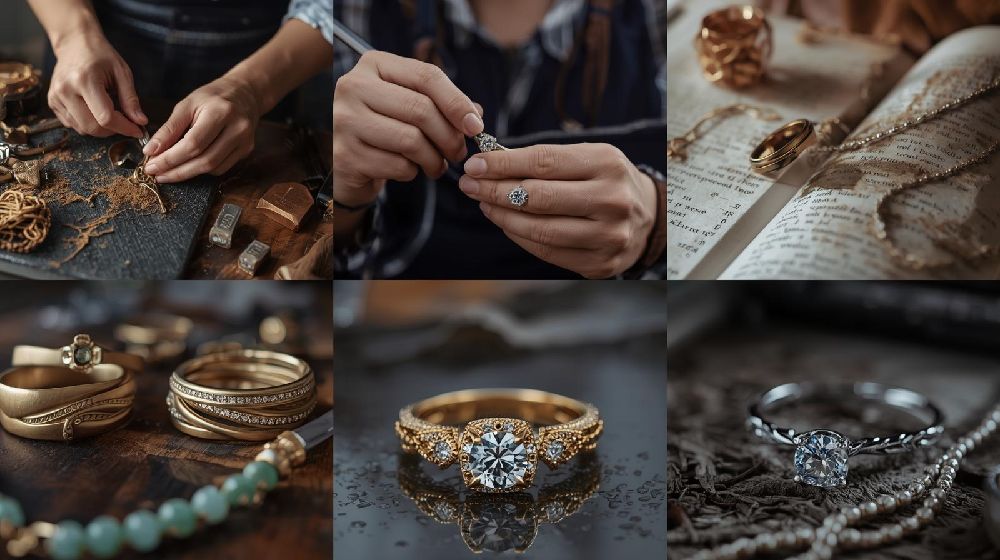
Sustainability in jewelry is often discussed in terms of recycled metals, ethical sourcing, and eco-friendly packaging. While these factors are important, one of the most powerful yet overlooked aspects of sustainability is quality craftsmanship. Well-made jewelry is naturally more sustainable because it lasts longer, wastes less, and carries lasting value beyond trends.
Longevity Reduces Waste
The most sustainable piece of jewelry is one that doesn’t need to be replaced. Well-crafted jewelry is designed to endure daily wear, resist damage, and maintain its beauty over time. Strong construction, precise settings, and thoughtful finishing reduce breakage and repairs, keeping pieces in use for decades instead of seasons.
When jewelry lasts longer, fewer resources are consumed in remaking or replacing it—directly lowering environmental impact.
Thoughtful Use of Materials
High-quality jewelry is engineered with precision and purpose. Skilled designers and manufacturers optimize metal usage, avoiding unnecessary excess while maintaining strength and comfort. This careful material planning minimizes waste during production and ensures that every gram of metal serves a functional and aesthetic role.
Well-made jewelry respects materials by using them wisely—not wastefully.
Superior Craftsmanship Means Fewer Repairs
Loose stones, weak clasps, and uneven finishes are common in poorly made jewelry. In contrast, expertly crafted pieces undergo strict quality checks and advanced finishing techniques that prevent early failure.
Fewer repairs mean reduced energy consumption, less transportation, and lower material usage over the jewelry’s lifecycle—making craftsmanship a key sustainability factor.
Timeless Design Over Fast Fashion
Well-made jewelry is often designed with timeless appeal, not short-lived trends. Classic silhouettes, balanced proportions, and refined detailing allow pieces to remain stylish year after year.
This timelessness discourages disposable consumption and supports a slow-fashion mindset, where jewelry is cherished, not replaced.
Emotional Value Encourages Responsible Ownership
Quality jewelry often carries emotional significance—marking milestones, relationships, and achievements. When a piece feels meaningful, owners are more likely to care for it, repair it, and pass it on.
This emotional longevity adds another layer of sustainability, extending the life of the jewelry far beyond its material value.
Better Manufacturing Practices
Well-made jewelry typically comes from manufacturers who prioritize controlled processes, skilled labor, and responsible production methods. Precision machinery, experienced artisans, and strict standards reduce defects, rework, and material loss.
Sustainable practices naturally emerge when quality is non-negotiable.
Conclusion
Well-made jewelry is sustainable by design. Its durability, efficient material use, timeless aesthetic, and emotional value reduce waste and overconsumption. In a world increasingly aware of its environmental footprint, investing in quality craftsmanship is not just a luxury choice—it’s a responsible one. True sustainability begins not with trends, but with making things well—and making them last.