

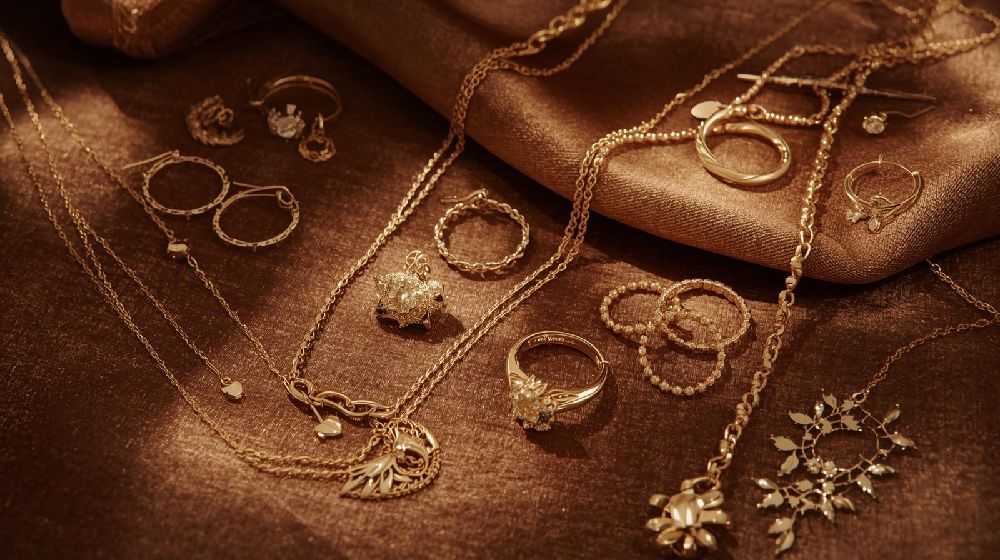
The jewelry industry is evolving rapidly, and jewelers are exploring ways to balance luxury, durability, and affordability. One notable trend is the shift from solid gold to gold-filled jewelry. This approach offers the allure of gold while addressing practical challenges in production, pricing, and consumer demand. Let’s explore why smart jewelers are embracing gold-filled collections.
What Is Gold-Filled Jewelry?
Gold-filled jewelry is made by bonding a thick layer of gold to a base metal, usually brass or sterling silver, through heat and pressure. Unlike gold plating, which is thin and wears off quickly, gold-filled pieces contain at least 5% gold by weight, ensuring long-lasting beauty.
Key Characteristics:
Visually indistinguishable from solid gold
Durable and resistant to tarnish
Affordable alternative to solid gold
Why Jewelers Are Making the Shift
Cost Efficiency Without Compromising Quality
Solid gold, especially 22K or 24K, is expensive due to raw material costs. Gold-filled jewelry allows jewelers to maintain the luxurious appearance of gold while offering more competitive pricing. This appeals to both retailers and customers.Durability and Daily Wear
Gold-filled jewelry is more resistant to scratches, bending, and tarnish than lower-karat solid gold. Its durability makes it ideal for daily wear, a growing demand in modern fashion markets where consumers want stylish yet practical pieces.Appealing to a Wider Audience
By offering gold-filled collections, jewelers can reach consumers who desire premium-looking jewelry at a lower price point. This expands the customer base without compromising brand prestige.Design Flexibility
Gold-filled pieces are easier to work with for intricate designs, layering, and large statement pieces. Jewelers can experiment with contemporary or minimalist styles without worrying about excessive material costs.Ethical and Sustainable Choice
Using gold efficiently reduces mining demand and waste. Gold-filled jewelry aligns with growing consumer preference for eco-conscious and responsible luxury, giving brands a marketing advantage.
Gold-Filled vs Solid Gold: Key Differences
| Feature | Solid Gold | Gold-Filled |
|---|---|---|
| Gold Content | 100% (adjusted by karat) | Thick bonded layer (≥5% by weight) |
| Cost | High | Moderate |
| Durability | Soft (especially 22K/24K) | Strong and scratch-resistant |
| Appearance | Lustrous, classic | Indistinguishable from solid gold |
| Suitability | Investment & heirloom | Daily wear & fashion-forward |
Why This Trend Matters for Modern Jewelers
The shift reflects a strategic balance of value, aesthetics, and accessibility. Brands adopting gold-filled collections can:
Maintain luxury appeal
Reduce production costs
Cater to younger, style-conscious consumers
Embrace sustainability and ethical practices
As the jewelry market becomes more competitive and consumers demand versatility, gold-filled collections offer an intelligent alternative to traditional solid gold.
Conclusion
Gold-filled jewelry is not a compromise—it’s a smart, modern solution that merges elegance, durability, and affordability. By shifting to gold-filled collections, jewelers can stay ahead in the evolving market while meeting the expectations of contemporary buyers who want luxury that is accessible, stylish, and responsible.