

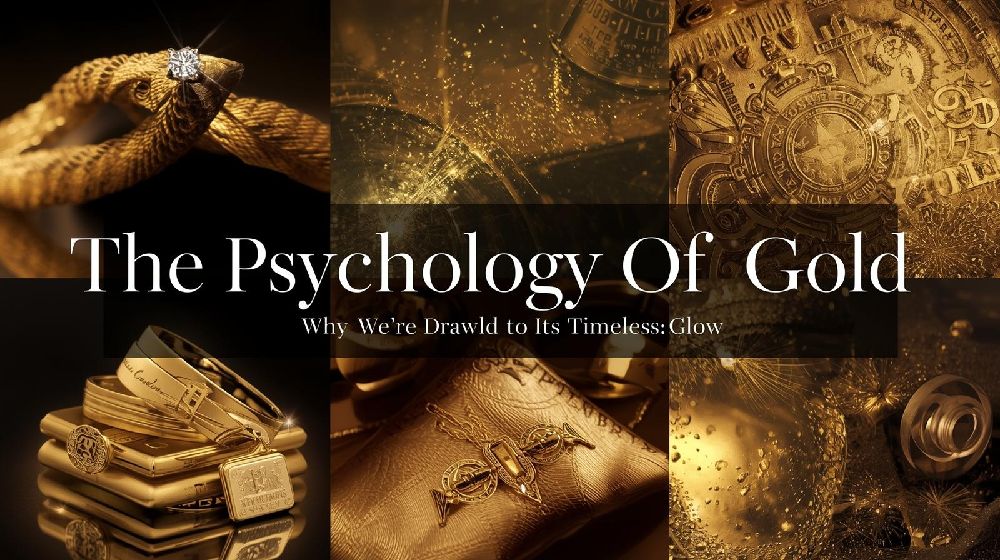
Gold has fascinated humans for millennia. From ancient civilizations to modern societies, its gleaming presence has symbolized wealth, power, beauty, and even divinity. But beyond its monetary value, gold has a unique psychological allure that continues to captivate people around the world. Understanding this attraction reveals why gold jewelry remains a timeless and emotionally resonant investment.
Gold and Human Psychology
Gold’s appeal goes beyond aesthetics—it resonates with deep-rooted psychological and cultural associations:
Symbol of Success and Status: Throughout history, gold has been a marker of prestige. Wearing gold conveys accomplishment, social standing, and personal achievement.
Security and Stability: Gold is a stable, tangible asset. Psychologically, owning gold can evoke feelings of safety, protection, and control over one’s financial future.
Emotional Resonance: Gold’s warm hue evokes feelings of warmth, optimism, and positivity, making it a preferred choice for meaningful gifts and personal adornments.
Cultural and Spiritual Significance: Many cultures link gold with prosperity, luck, and divine energy, reinforcing its timeless appeal.
Why Gold Jewelry Feels Special
Humans are wired to notice shimmering and reflective surfaces, which may explain our attraction to gold. Its luster catches the eye, while its rarity and durability signal value. Gold jewelry, therefore, combines visual pleasure with emotional significance, making it a cherished possession across generations.
Gold as a Form of Self-Expression
Wearing gold is more than decoration—it’s a subtle form of personal storytelling. Minimalist pieces reflect sophistication and modernity, while bold, ornate designs convey confidence and charisma. For many, gold jewelry embodies milestones, achievements, and personal identity, creating a deep emotional connection.
The Timelessness Factor
Unlike fleeting fashion trends, gold maintains its allure because it transcends time and cultural shifts. Its psychological appeal—security, status, beauty—remains consistent, which is why gold continues to be a preferred choice for gifts, investments, and personal adornment even in the modern era.
Conclusion
The psychology of gold lies in its unique blend of visual allure, emotional resonance, and cultural symbolism. Its glow is more than a reflection of light—it reflects human desires for security, status, beauty, and meaning.
This timeless attraction ensures that gold jewelry will continue to shine not only in markets but also in hearts, making it a truly universal symbol of value, style, and emotion.