

The New Global Standards of Jewelry Quality
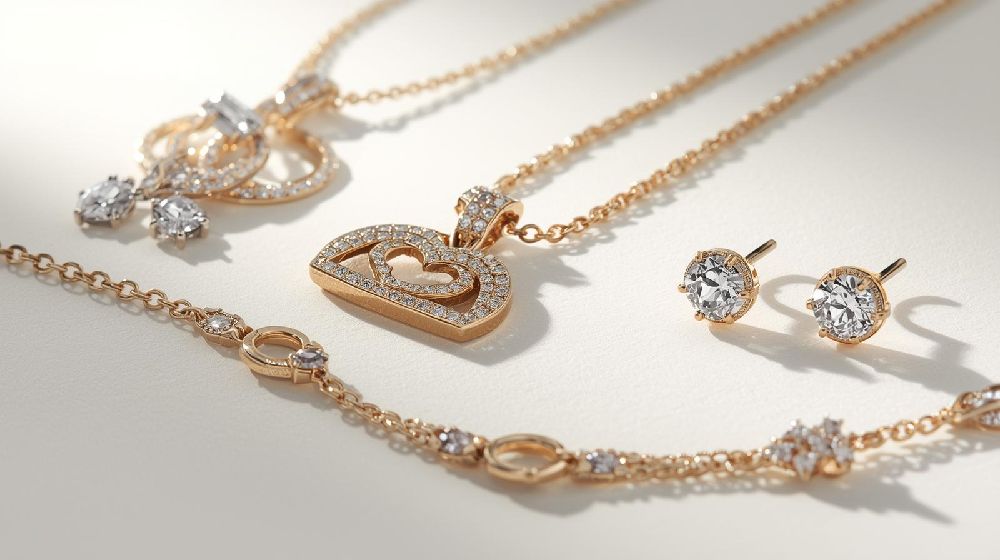
In today’s global jewelry market, quality is no longer defined solely by visual appeal or weight. Modern consumers expect durability, ethical sourcing, precision craftsmanship, and consistent standards across regions and brands. Jewelry that meets these expectations is not only admired—it commands trust, loyalty, and international recognition. Understanding these new standards is key for both brands and buyers in an increasingly connected world.
Precision and Craftsmanship
The foundation of modern jewelry quality lies in precision craftsmanship. Advances in technology—such as CNC machining, laser welding, and multi-axis manufacturing—allow artisans to create jewelry with:
Exacting symmetry and proportion
Smooth finishes and flawless edges
Secure stone settings and durable joints
High-quality craftsmanship ensures that jewelry not only looks luxurious but also withstands daily wear without compromise.
Material Authenticity
Global standards demand material transparency and authenticity. Whether it’s gold, silver, or gemstones, buyers expect:
Accurate karat and purity markings
Certified gemstones with verified origin
Durable alloys that resist tarnish and damage
Brands that uphold strict material standards maintain credibility and comply with international trade regulations, fostering consumer confidence worldwide.
Ethical and Sustainable Sourcing
Modern jewelry quality is inseparable from ethical responsibility. Consumers and regulators now value transparency in sourcing:
Conflict-free diamonds and gemstones
Responsibly mined or recycled metals
Fair labor practices in manufacturing
Sustainably sourced jewelry is not only a moral imperative—it is a global quality benchmark that appeals to conscious buyers.
Consistency Across Batches
Global standards require consistency across multiple production batches and locations. Buyers expect every piece to meet exact specifications, whether purchased locally or internationally. This includes:
Uniform weight, size, and finish
Identical gemstone color and clarity
Reliable durability and comfort
Consistency reinforces trust and establishes a brand’s reputation for excellence.
Design Meets Functionality
High-quality jewelry balances aesthetic beauty with practical usability. New standards emphasize:
Comfortable wear for all-day use
Functional clasps, joints, and settings
Long-lasting finish and polish
Design excellence is no longer just about visual appeal—it must integrate engineering intelligence for everyday functionality.
Certification and Transparency
Global consumers now rely on certifications and detailed product information to evaluate quality. Trusted certifications from recognized gemological labs, detailed karat and alloy disclosure, and quality assurance marks are essential. Transparency in production processes enhances credibility and differentiates premium brands.
Building Brand Trust Through Standards
Adherence to global quality standards is more than compliance—it is a marketing advantage. Brands that consistently deliver well-crafted, ethically sourced, and durable jewelry create loyalty, attract international clientele, and set themselves apart in competitive markets.
Conclusion
The new global standards of jewelry quality go beyond luxury—they encompass precision, authenticity, ethics, and functionality. For brands and consumers alike, understanding and embracing these standards ensures that every piece is not only beautiful but trusted, durable, and meaningful. In a world where discerning buyers demand excellence, modern jewelry quality is a holistic promise, uniting craftsmanship, responsibility, and lasting value.