

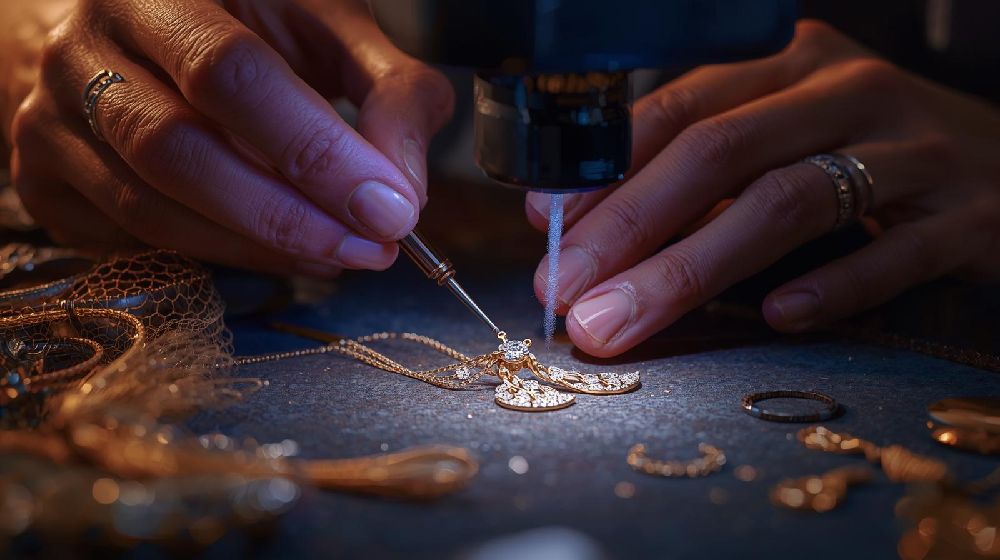
Jewelry is more than adornment—it is a living testament to culture, heritage, and artistry. Across centuries, traditional designs, techniques, and craftsmanship have defined the beauty and identity of jewelry. Yet, in today’s fast-evolving market, innovation is not replacing tradition—it is preserving and enhancing it, ensuring that timeless artistry continues to thrive in a modern world.
Marrying Technology with Craftsmanship
Modern jewelry manufacturers are embracing advanced technology without compromising traditional aesthetics. Techniques such as CNC machining, laser welding, 3D modeling, and precision casting allow artisans to recreate intricate patterns that were once painstakingly labor-intensive.
Innovation ensures:
Accuracy in replicating heritage designs
Reduced material waste while maintaining detail
Consistency across multiple pieces without losing artisanal charm
Through technology, traditional jewelry styles can reach a wider audience while maintaining the authenticity of the original craft.
Protecting Cultural Heritage
Traditional jewelry often carries cultural symbolism and storytelling, from regional motifs to religious iconography. By using modern tools for design and production, artisans can preserve these details with precision and fidelity.
Innovation allows designers to:
Digitally archive designs for future generations
Reproduce endangered patterns with exact accuracy
Blend traditional motifs with contemporary tastes for modern wearability
This ensures that heritage jewelry doesn’t fade with time but evolves gracefully.
Enhancing Durability Without Losing Identity
Traditional jewelry, especially fine gold pieces, is often delicate and prone to wear. Modern techniques, such as multi-layer gold bonding, rhodium plating, and advanced setting methods, strengthen these pieces while retaining their original appearance.
For example:
Handcrafted filigree can now withstand daily wear
Delicate enamel patterns last longer without fading
Stones and beads are secured with precision, reducing repair needs
Innovation allows tradition to survive the rigors of modern life.
Sustainability Meets Heritage
Innovation in material sourcing and recycling is also preserving tradition responsibly. Using recycled gold and ethically sourced gemstones, manufacturers can create traditional designs without contributing to environmental or social harm. This ensures that cultural jewelry survives both in style and in conscience.
Bridging Generations
Innovation makes traditional jewelry more accessible and relevant to younger generations. Digital platforms, augmented reality try-ons, and online customization allow heritage designs to connect with modern consumers who value culture but seek convenience and personalization.
By blending the old with the new, tradition remains vibrant and admired across generations.
Conclusion
Innovation and tradition are not opposites—they are partners in preserving jewelry heritage. Technology enhances craftsmanship, strengthens delicate designs, and broadens accessibility, all while honoring cultural roots. In today’s jewelry world, innovation ensures that timeless artistry not only survives—but thrives—allowing heritage to continue dazzling hearts for generations to come.